

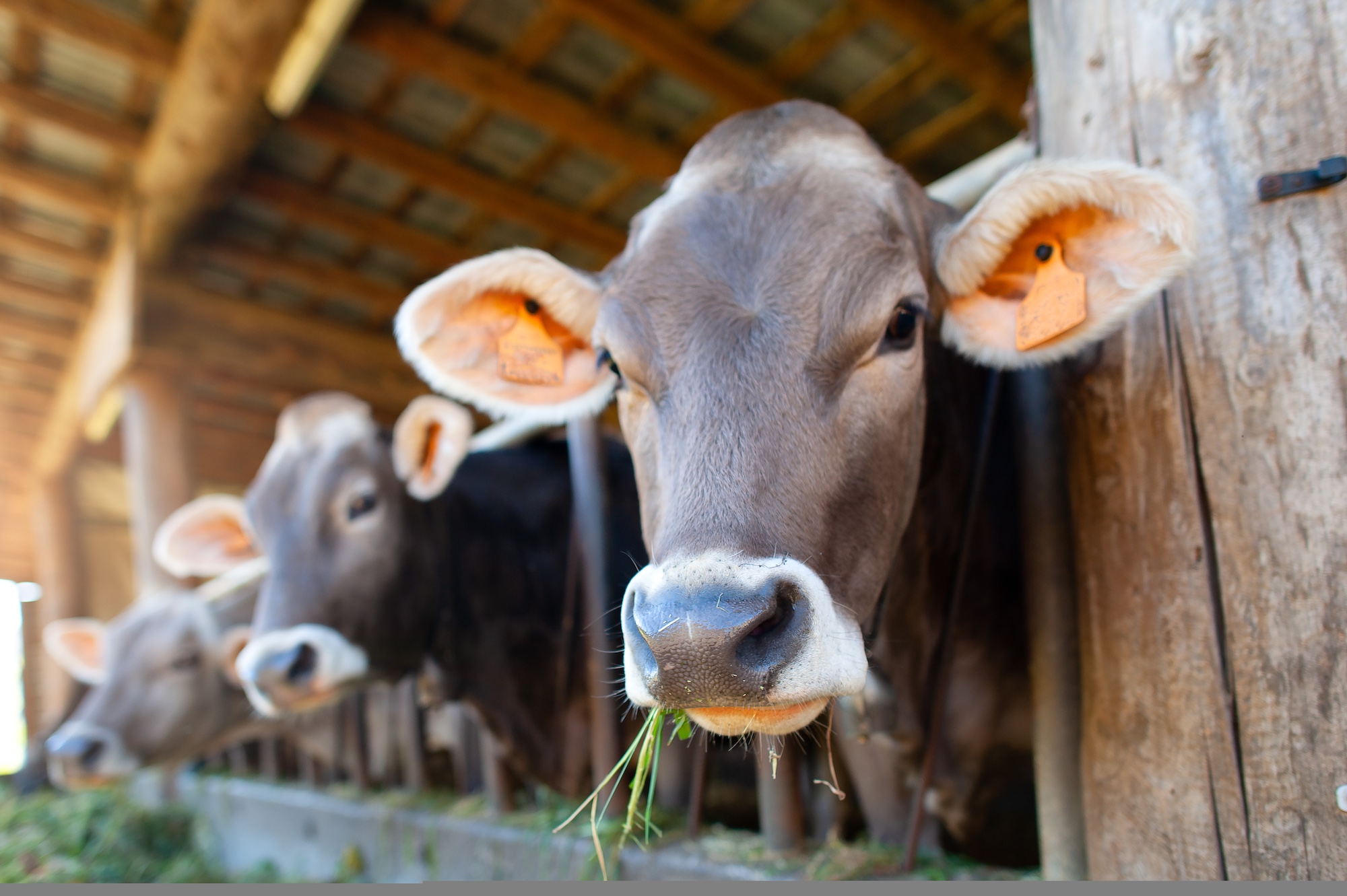
Natural Rock Salt Solutions for Farms
In modern livestock enterprises, salt is not merely an additive that meets sodium and chlorine needs; it is a fundamental element of animal health, feed efficiency, and productivity management. The adequate and balanced use of salt in rations contributes to regulating digestive system functions, optimizing water consumption, and maintaining metabolic balance.
EFTA Salt provides natural rock salts obtained from the Kırıkkale–Delice mines, prepared through physical methods without any chemical processing, in forms suitable for the diverse needs of livestock operations. The mineral diversity found in its natural structure allows for the addition of a pure and controlled mineral source to animal rations.
Salt Use and Functions in Small Ruminant Farming
Small ruminants, such as sheep and goats, have a sensitive structure regarding mineral balance due to their metabolic rates, selective feeding behaviors, and pasture-based breeding models. Therefore, the form, purity, and accessibility of the salt used are of great importance.
Fluid Balance and Appetite Management
Natural crystal rock salt helps maintain general fluid balance by encouraging water consumption in small ruminants. Adequate water intake contributes to:
- More regular functioning of digestive processes,
- Healthier removal of metabolic waste,
- Reducing the risk of urinary stone formation.
Effects on Wool and Milk Yield
Trace minerals found in the natural structure of salt support the general metabolic balance of animals without a direct supplementation claim. This balance offers indirect contributions to:
- Preservation of wool quality and fiber structure,
- Continuity and stable course of milk yield.
Use of Licking Blocks and Granules
In small ruminant operations, salt is generally used:
- In the form of licking blocks under pasture conditions,
- By controlled granule addition to rations in closed systems.
These methods allow animals to adjust their own consumption according to their needs, reducing the risk of excessive or insufficient intake.
Salt Use and Functions in Cattle Farming
In cattle farming with high milk and meat yields, the quality and purity of salt are directly related to production performance and operational profitability. Especially in intensive feeding systems, salt is an integral part of ration balance.
Natural Digestive Functions and Digestive Health
Sodium helps maintain pH balance within the rumen environment. This balance supports:
- Efficient functioning of rumen microorganisms,
- More effective fermentation of feed,
- Operation of digestive enzymes under optimum conditions.
Milk Yield and Body Condition
Sodium loss in high-yielding dairy cows can affect milk production, feed consumption, and general condition. Ensuring a balanced supply of salt contributes to:
- Maintaining performance during the lactation period,
- Reducing the risk of loss of appetite,
- Indirectly supporting reproductive performance.
Heat Stress and Mineral Loss
Mineral loss through sweating and respiration increases in hot weather conditions. The use of natural crystal rock salt can help:
- Replace lost sodium,
- Support the adaptation of animals to heat stress,
- Maintain water consumption at sustainable levels.