

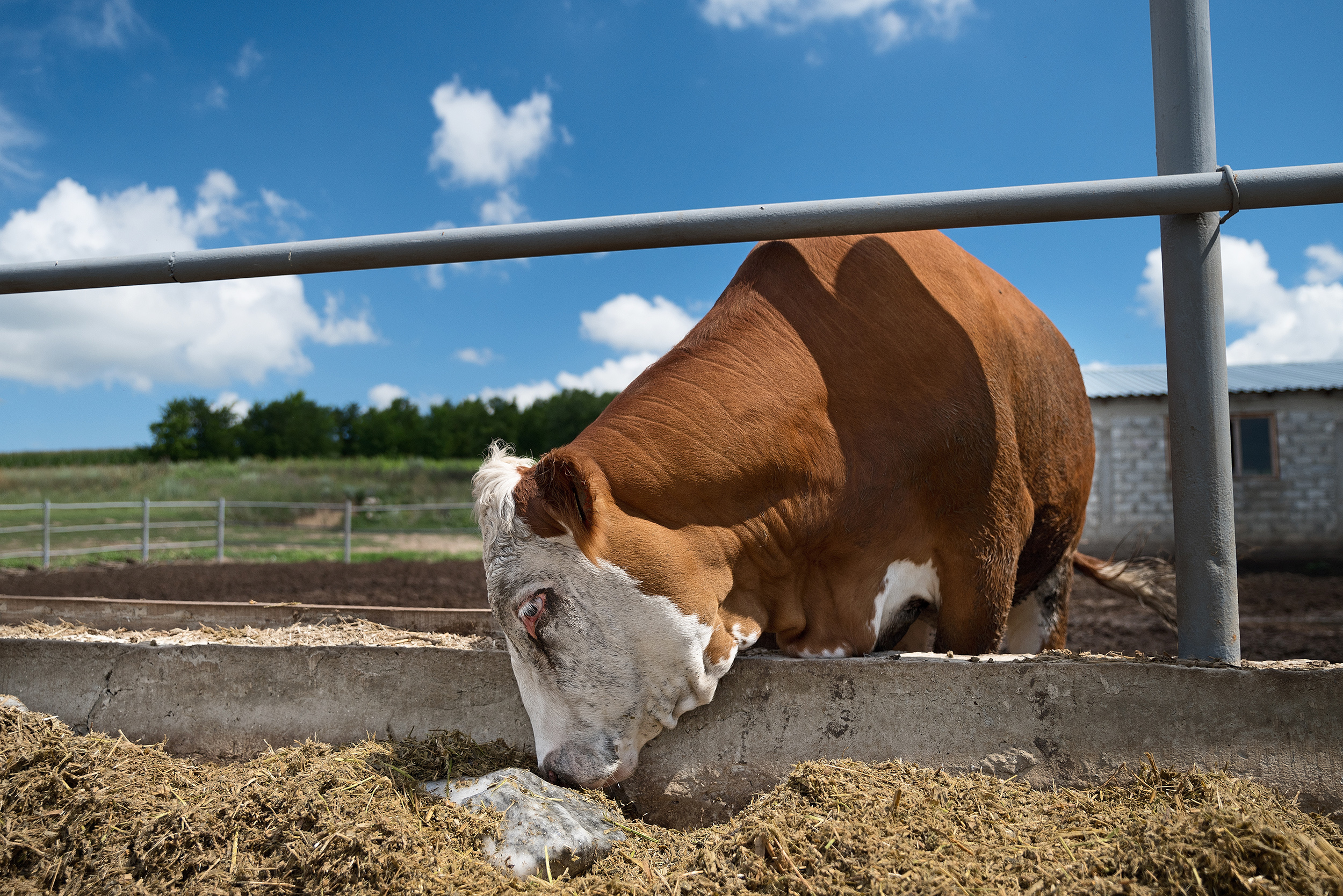
The Role of Natural Crystal Rock Salt in Feed Content
Sustainable productivity in animal production is directly related to the nutrient content of the ration, the bioavailability of minerals, and standardization in production processes. The purity, homogeneity, and physical properties of mineral sources used in feed formulations are decisive factors for both animal health and the operational efficiency of feed factories.
Natural crystal rock salt can be prepared using physical methods without undergoing any chemical treatment, making it suitable for the technical requirements of the feed sector. The mineral diversity within its natural structure allows for a pure and controlled mineral input into rations.
Mineral Support and Structural Contribution
In addition to sodium and chlorine, natural crystal rock salt contributes to the mineral balance of the ration through various minerals present in trace amounts. This structure helps:
- Support skeletal and muscle functions,
- Maintain electrolyte balance,
- Assist in the overall metabolic stability of animals.
Appetite and Digestive Processes
The balanced use of salt in the ration can support animal feed intake by increasing the palatability of the feed. Simultaneously, it contributes to:
- More regular functioning of digestive enzymes,
- Balancing water consumption,
- Maintaining the feed conversion ratio.
Natural Form of Trace Minerals
Trace minerals such as selenium and iodine, found within the natural crystal structure, accompany the ration as natural components of the raw material without any enrichment claims. These minerals can offer indirect contributions to:
- Sustainability of reproductive performance,
- Support of immune functions,
- Protection of general animal health.
Metabolic Balance and Ration Compatibility
The salt structure, characterized by high purity and controlled granulation, works harmoniously with other components in the ration. This helps achieve predictable results in ration formulations and assists in maintaining metabolic balance.
OPERATIONAL ADVANTAGES FOR FEED FACTORIES
Precise and Standard Granulation
Production can be carried out in various particle sizes ranging approximately from 0.1 mm to 3 mm to be compatible with feed mixing and dosing systems. This allows for:
- Increased mixture homogeneity,
- Reduced risk of segregation,
- Supported batch-based quality consistency.
Additive-Free Flowability
The product, having undergone physical sorting and purification processes, maintains its natural flowability without the use of chemical anti-caking agents. This feature contributes to:
- Reducing the risk of clogging in dosing units,
- Supporting continuous and uninterrupted production.
Structure Free from Foreign Substances
Through advanced physical cleaning processes, foreign particles such as sand and stones are reduced to minimum levels. This can support:
- Reducing wear on grinding and mixing equipment,
- Extending maintenance intervals,
- Protecting equipment lifespan.
Planned and Flexible Logistics
Bulk or palletized shipment options can be organized to align with the inventory and production planning of feed factories. This approach:
- Supports raw material continuity,
- Helps keep inventory costs under control,
- Reduces the risk of downtime on production lines.