

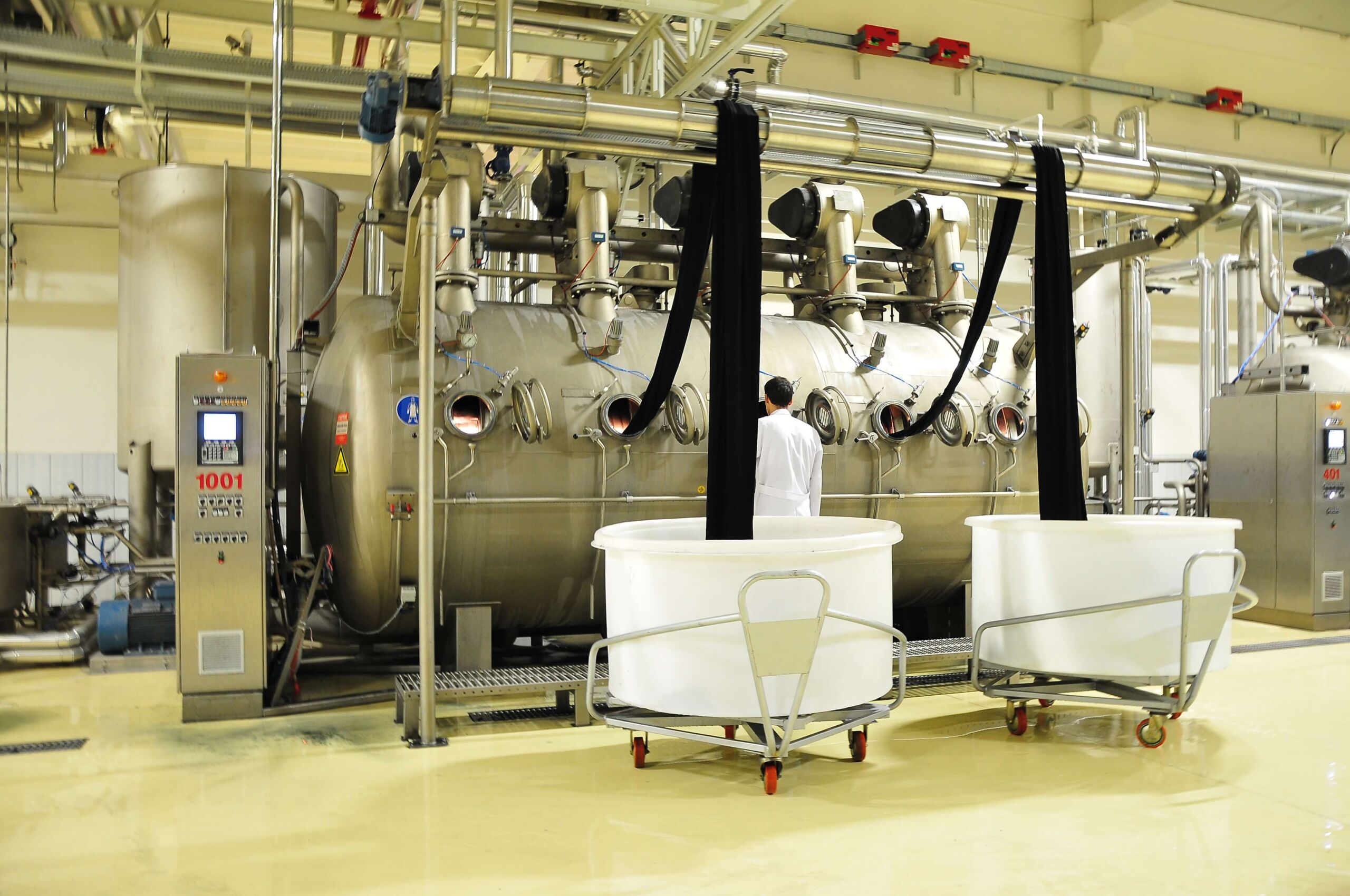
Technical Salt Solutions for the Textile Industry
The textile industry is among the sectors with the highest sensitivity regarding the chemical and physical purity of raw materials. The quality parameters of the salt used, particularly in dyeing and finishing processes, have a direct impact on color consistency, fabric surface characteristics, and production efficiency.
Technical salt solutions for textile applications are prepared to align with the requirements of dyeing processes through high purity levels and controlled production cycles.
Technical Approaches in Textile Processes
Dyeing Efficiency and Color Fastness
The purity of the salt used in finishing and dyeing operations is a critical factor for the homogeneous fixation of dye onto the fiber. Technical salt solutions:
- Calcium and Magnesium Control: Thanks to a structure free from calcium and magnesium, it contributes to maintaining dyeing yield and prevents the formation of unwanted hardness on the fabric.
- Homogeneous Color Distribution: Using raw materials free from impurities supports the even penetration of dye into the fabric surface, reducing the risk of “barré” (color fluctuations/shading).
Technical Advantages of Liquid Salt (Brine) Usage
- Operational Ease: Liquid salt, which is rendered clear and sediment-free by resting in special tanks, can be transferred directly to production lines. This application helps reduce labor requirements and process time.
- Precise Dosing: The liquid form allows for automatic and more precise dosing in dyeing machines, supporting recipe accuracy.
Operational and Technical Advantages
Equipment Protection
The high-purity crystal structure contributes to reducing the risk of corrosion in dyeing machines. This can support:
- Preservation of equipment lifespan,
- Reduction in maintenance frequency,
- Control of total operating costs.
Low Sediment and Foreign Matter Control
Foreign substances are reduced to minimum levels through advanced physical sorting and cleaning processes. This structure:
- Reduces the risk of clogging in production lines,
- Supports continuous and stable production conditions.
Planned Logistics and Raw Material Continuity
Planned shipments in bulk or liquid form align with the production and inventory planning of textile facilities. This approach:
- Supports raw material continuity,
- Facilitates inventory management,
- Helps reduce the risk of downtime in production processes.